The "One Promotion and Four Preventions" approach is a key technology for ensuring high quality and high yield in rapeseed. Its core lies in implementing integrated prevention and control measures to achieve the goals of promoting growth, preventing premature aging, preventing lodging, preventing pests and diseases, and preventing "flowering without pod setting." This approach combines agricultural, physical, chemical, and biological control methods, balancing practicality and safety.

I. Physical & Agricultural Control: Building the Foundation for "One Promotion and Four Preventions"
(I) Physical Pest Control
For common pests during the rapeseed growth period, a combination of physical barriers and trapping methods is employed to reduce pest density, preventing pest-induced premature aging and growth inhibition.
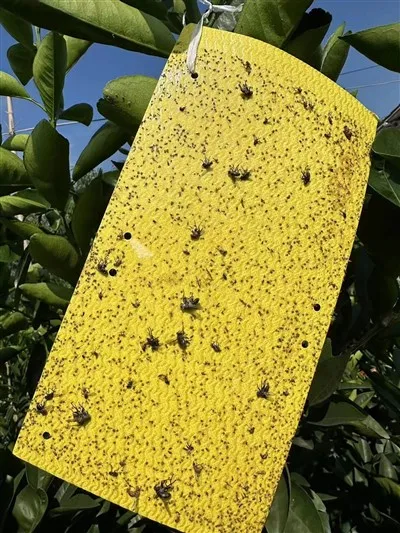
Specific practices: Use insect-proof nets during seedling and growth stages to block pests like striped flea beetle (Phyllotreta striolata); hang yellow sticky traps to control aphids (Aphididae), and install insecticidal lamps to trap pests like diamondback moths (Plutella xylostella); manually remove pests like cabbage caterpillars (Pieris rapae) in small plots to reduce infestations.
(II) Field Management
By improving the field growth environment and optimizing cultivation management, common diseases such as sclerotinia and downy mildew can be prevented. At the same time, promoting robust plant growth enhances stress resistance, achieving the goals of preventing premature aging and lodging.
Specific practices: Timely clean drainage ditches to reduce humidity, preventing sclerotinia and downy mildew; remove old and diseased leaves to improve ventilation and light penetration, reducing pathogen spread; adopt appropriate planting density, control nitrogen application, and increase phosphorus and potassium fertilizers to promote root growth and plant strength, enhancing disease resistance and preventing premature aging and lodging; scientifically supplement boron to prevent "flowering without pod setting"; practice crop rotation with rice to reduce pest population base, ensuring healthy rapeseed growth.

II. Chemical Control: Precision prevention and control to address the shortcomings of the "One Promotion and Four Preventions"
Scientific, precise, and safe application of chemical agents can rapidly control the spread of pests and diseases, ensuring normal rapeseed growth and preventing premature aging and yield loss, while ensuring pesticide safety and minimizing environmental impact.
Pest control: To control pests such as aphids, select highly effective and low-toxicity agents like thiamethoxam. Focus spraying on concealed areas such as the undersides of leaves to ensure even coverage, effectively eliminating pests and preventing premature aging caused by infestations.
Disease control: To control diseases such as sclerotinia, choose agents like pydiflumetofen. Apply according to instructions, using appropriate doses to control disease spread and prevent lodging and premature aging.

III. Biological Control: Green Synergy to Enhance "One Promotion and Four Preventions"
Biological control combines effective pest and disease management with ecological sustainability. It not only controls pests and diseases but also supplements plant nutrients and promotes growth, further consolidating the outcomes of "One Promotion and Four Preventions" and supporting green cultivation.
Pest control and nutrient supplementation: Evenly spread plant ash around the roots and leaves of rapeseed to repel pests, reduce pest density, and supplement nutrients such as calcium and potassium, promoting plant growth and enhancing stress resistance, thereby aiding in the prevention of premature aging and lodging.
Repellent pest control: Intercrop with garlic, onions, or other plants to utilize their unique odors to repel pests like striped flea beetle and aphids, reducing pest damage while improving the field ecology and supporting growth. This achieves the dual goals of pest control and growth promotion.

Through the coordinated application of agricultural, physical, chemical, and biological control measures, the requirements of "One Promotion and Four Preventions" are fully implemented. This approach effectively manages rapeseed pests and diseases while promoting robust plant growth, preventing premature aging and lodging, and providing strong support for high-quality, high-yield rapeseed production.