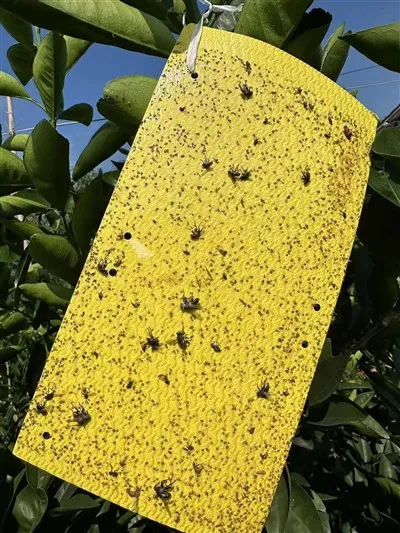
As an efficient and environmentally friendly pest control tool, insect killer lamps play a vital role in global agricultural production and public health management. Their physical trapping and killing technology reduces the use of chemical pesticides, aligning with the sustainable development trend of modern agriculture. They also demonstrate significant value in mosquito control and disease prevention.
In the agricultural sector, insect killer lamps are primarily used in fields, orchards, and greenhouses, using light to attract and kill pests such as moths, beetles, and flies. Compared to traditional pesticides, insect killer lamps precisely target specific pests, minimizing impacts on beneficial insects and non-target organisms, thereby protecting ecological balance. Furthermore, their low energy consumption and easy maintenance make them suitable for large-scale farms and remote areas, helping farmers reduce production costs and increase crop yields.
In recent years, with increasing global attention to food safety and environmental protection, market demand for insect killer lamps has continued to grow. In developed markets such as Europe, North America, and Australia, in particular, strict government regulations on chemical pesticides have driven the adoption of physical control technologies. In developing countries like Asia, Africa, and Latin America, insecticidal lamps are becoming a vital tool for smallholder farmers and agricultural cooperatives due to their cost-effectiveness and ease of use.
Beyond agriculture, insecticidal lamps also have important applications in public health. Mosquito-borne diseases such as malaria, dengue fever, and Zika virus pose a significant threat to global health. Ultraviolet (UV) or carbon dioxide (CO2)-based insecticidal lamps effectively reduce mosquito density and mitigate the risk of disease transmission, leading to their adoption in public health programs. Some advanced models incorporate IoT technology to enable remote monitoring and data analysis, further improving management efficiency.
In the future, insecticidal lamp technology will continue to develop towards intelligent, energy-efficient, and multifunctional features. For example, solar-powered insecticidal lamps are suitable for areas without access to electricity, while multispectral insect trapping technology improves pest identification accuracy. With the global modernization of agriculture and growing public health needs, the market potential of insecticidal lamps will be further unleashed, making them a key product category in international trade.
In short, insecticidal lamps are widely used worldwide due to their environmentally friendly, efficient, and sustainable characteristics. Whether in agricultural production or disease prevention and control, insecticidal lamps provide a reliable physical solution to pest problems, and their market prospects are worthy of attention.