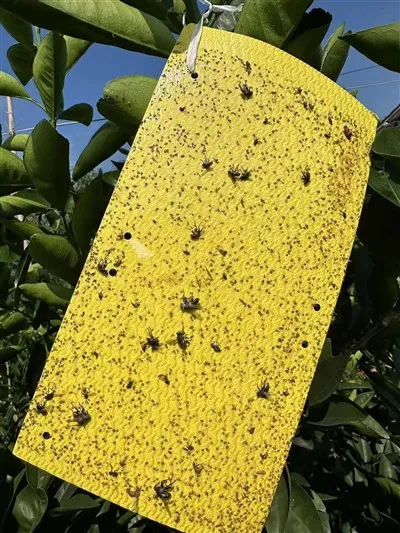
As an efficient and environmentally friendly agricultural pest control tool, sticky insect traps play a vital role in global agricultural production. Their core performance lies in trapping efficiency, material durability, environmental adaptability, and ease of use, making them highly sought after in the international trade market.
First, trapping efficiency is the most critical performance indicator of sticky insect traps. Through a scientifically formulated adhesive colloid and attractants tailored to specific pests, sticky insect traps precisely capture target pests such as aphids, thrips, and moths, while minimizing accidental damage to beneficial insects and the environment. Highly effective trapping not only reduces pesticide use but also effectively protects crop health, aligning with the global trend toward sustainable agricultural development.
Second, the durability of the sticky insect trap's material directly impacts its lifespan. High-quality sticky insect traps are typically made of high-strength plastic or environmentally friendly paper, with a durable adhesive that allows for long-term outdoor use without erosion by wind and rain. Some high-end products also feature UV resistance, ensuring stable stickiness even in high-temperature and high-light environments, extending replacement cycles and reducing user costs.
Furthermore, the environmental adaptability of sticky insect traps makes them suitable for a wide range of climates. Whether in humid tropical regions or dry, cold temperate farms, sticky insect traps can maintain stable entrapment by adjusting the adhesive formula and structural design. This flexibility enables them to meet the agricultural needs of different countries and regions, providing a significant competitive advantage, particularly in export markets.
Finally, the ease of use of sticky insect traps has further boosted their market acceptance. Most products feature a ready-to-use design, requiring no professional installation, making them easy for farmers to deploy. Furthermore, their environmentally friendly nature eliminates the risk of chemical pesticide residues, meeting the stringent international market requirements for green agricultural products.
In summary, sticky insect traps, with their efficient entrapment, durable materials, wide adaptability, and convenient use, have secured a significant position in the global agricultural pest management market. With growing international demand for sustainable agricultural solutions, the prospects for sticky insect traps in export markets are expected to expand.