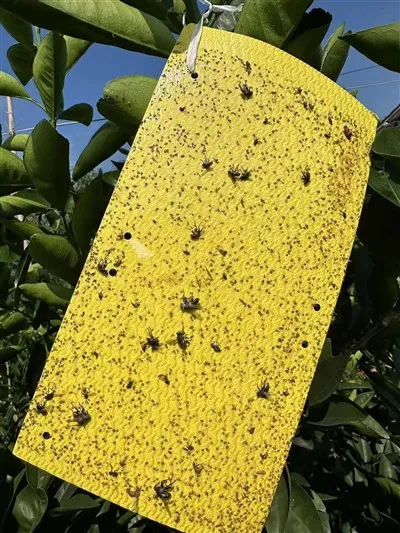
Pheromone is a class of chemical substances secreted by organisms that can be sensed by other individuals of the same species through sensory organs such as smell or antennae, triggering specific behavioral or physiological responses. The term, first proposed in 1959 by German scientist Peter Karlson and Swiss scholar Martin Lüscher, derives from the Greek words "pherein" (to carry) and "hormon" (to stimulate), meaning "substance that carries stimulation."
Pheromone is widely found in insects, mammals, and even plants, playing a vital role in nature. For example, bees release pheromones to mark food sources, guiding worker bees to efficiently gather nectar; ants use pheromones to leave "chemical trails" along their routes, ensuring collaborative foraging. For many species, pheromones are key mediators of reproductive behavior. Female moths release sex pheromones that can attract males from kilometers away, while urine marking in some mammals conveys territorial ownership and courtship signals.
Although human pheromone research began relatively late, recent experiments suggest that humans may also be affected by them. Studies have shown that certain compounds in human sweat, such as androstenedione, can subtly alter the emotions and perceived attraction of individuals of the opposite sex, particularly at a subconscious level. However, unlike insects, human social behavior relies more heavily on language and culture, making the role of pheromones relatively limited and not yet fully understood.
The discovery of pheromones has not only deepened our understanding of biological communication mechanisms but also provided inspiration for applications in agriculture, medicine, and other fields. For example, synthesizing pest sex pheromones to disrupt mating could reduce pesticide use. The development of mood regulators or social aids based on pheromone principles is also under exploration.
As silent chemical messengers, pheromones reveal ingenious adaptive strategies in the evolution of life. Although human understanding remains limited, research in this field continues to expand the boundaries of our understanding of nature and ourselves.