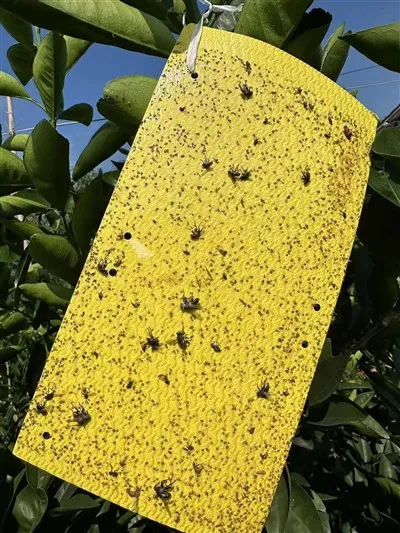
Plastic traps are an effective, environmentally friendly, and cost-effective pest control tool, widely used in agriculture, gardening, and household pest management. They exploit the attraction of pests to specific colors, scents, or shapes, luring them in and trapping or killing them. Mastering proper usage techniques is crucial to maximize the effectiveness of plastic traps.
1. Choosing the Right Trap Type
Plastic traps come in many types, such as yellow sticky traps, blue sticky traps, and funnel traps. Different colors and designs target different pests. For example, yellow sticky traps are particularly effective against small flying insects like aphids and whiteflies, while blue sticky traps are more likely to attract thrips. Choosing the right trap based on the habits of your target pests can significantly improve control efficiency.
2. Properly Position the Traps
The placement of the trap directly affects its capture efficiency. Generally, they should be hung in areas of high pest activity, such as approximately 30-50 cm above the crops. Avoid direct sunlight and rain, which can affect the plastic's adhesiveness and accelerate its aging. For greenhouses or sheds, it's recommended to evenly distribute the traps, approximately 2-3 meters apart, to ensure full coverage.
3. Regular Inspection and Replacement
Plastic traps require regular inspection. If they become full of pests or their adhesiveness has decreased, they should be replaced or cleaned promptly. This is typically done every 1-2 weeks, with more frequent maintenance required in high-temperature and high-humidity environments. If reusable plastic traps are used, rinse them with clean water and reapply the environmentally friendly adhesive to extend their lifespan.
4. Integrate with Other Control Methods
Plastic traps can be used as part of integrated pest management (IPM) in conjunction with other control methods, such as biopesticides and natural enemy introductions, to reduce reliance on chemical pesticides. For example, during the initial infestation of a small pest population, traps alone can effectively control population growth and prevent later outbreaks.
5. Environmentally Friendly
Choose environmentally friendly viscose and biodegradable plastics to minimize impacts on non-target organisms, such as beneficial insects. Avoid excessive use of yellow traps near flowering plants to prevent accidental harm to pollinators.
Proper use of plastic traps not only effectively controls pests but also reduces control costs, making them a crucial tool for sustainable agriculture. Master the following tips for optimal effectiveness.